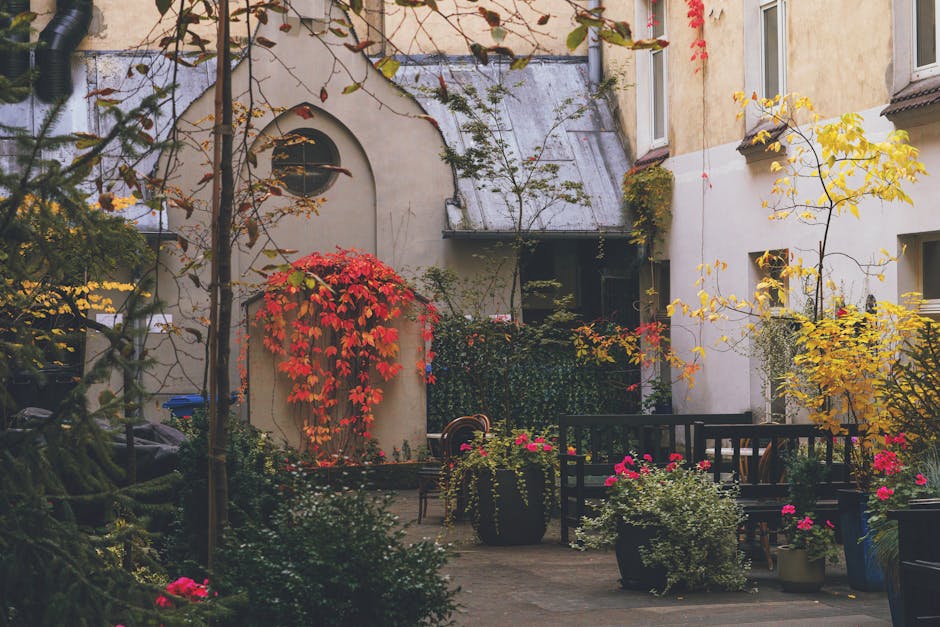
Connaught Village Gardeners and Courtyard Planting W1J: A Practical Guide to Smarter Small-Space Gardening
Courtyard gardens in W1J can be some of the most rewarding spaces to work with. They are private, characterful, and often tucked behind elegant facades where every pot, paving joint, and planting choice matters. If you are looking for Connaught Village gardeners and courtyard planting W1J, you are probably after more than "just some plants". You want a space that looks considered through all seasons, copes with shade and wind, and still feels easy to live with. That is exactly where good local gardening know-how makes a difference.
In Connaught Village, courtyards and small enclosed gardens often have their own quirks: limited light, reflected heat from stone and brick, narrow access, and a need to keep things tidy without making the space feel stiff. The right approach can turn a plain, awkward corner into a calm, welcoming room outside. And to be fair, that is the real aim here - not a flashy makeover that looks great for two weeks and then collapses into a soggy mess.
This guide walks through what courtyard planting actually involves, why it matters in W1J, how to plan it well, common mistakes to avoid, and what good practice looks like in a London setting. You will also find a comparison of methods, a practical checklist, and answers to the questions people genuinely ask before they get started.
Table of Contents
- Why Connaught Village gardeners and courtyard planting W1J Matters
- How Connaught Village gardeners and courtyard planting W1J Works
- Key Benefits and Practical Advantages
- Who This Is For and When It Makes Sense
- Step-by-Step Guidance
- Expert Tips for Better Results
- Common Mistakes to Avoid
- Tools, Resources and Recommendations
- Law, Compliance, Standards, or Best Practice
- Options, Methods, or Comparison Table
- Case Study or Real-World Example
- Practical Checklist
- Conclusion
- Frequently Asked Questions
Why Connaught Village gardeners and courtyard planting W1J Matters
Courtyard planting is not simply a decorative extra. In a place like Connaught Village, it often shapes how the whole property feels. A well-planted courtyard can soften hard surfaces, give privacy, create a better route from inside to outside, and make a compact space feel far larger than it is. That is especially useful in W1J, where many homes and managed properties balance heritage character with modern living needs.
Small spaces are unforgiving. If planting is too tall, it blocks light. If it is too sparse, the courtyard can feel cold and overhard. If it is too thirsty, too messy, or too needy, the garden quickly becomes a chore. Good Connaught Village gardeners understand this balance. They work with scale, drainage, aspect, and upkeep from the start, rather than treating planting as a final flourish.
There is also the matter of consistency. Courtyards are often seen every day, not just in summer. Morning coffee, a quick look out the window at 7:30, a delivery arriving, a guest stepping through the front passage - these are small moments, but they matter. A thoughtful planting scheme makes those ordinary moments feel better. Quietly better. The sort of better you notice without really thinking about it.
If you are also weighing broader garden work, it can help to explore related services such as garden maintenance London and more tailored patio and courtyard garden services. Those pages can help you see how ongoing care and design fit together in a compact urban setting.
How Connaught Village gardeners and courtyard planting W1J Works
A courtyard project usually starts with a simple question: what do you want the space to do? Some people want a leafy retreat with fragrance and softness. Others need something clean, low-maintenance, and elegant. Some want year-round structure with only light seasonal changes. The planting method should follow that brief, not the other way round.
In practical terms, the process usually includes four stages: assessing the site, planning the layout, choosing the right plants and containers, and then installing and maintaining everything properly. It sounds straightforward. In reality, the details matter a lot. Drainage under paving, root space in containers, soil quality, and light levels can all make or break the result.
Courtyard planting in W1J often uses a mix of permanent structure and flexible layers. Permanent structure might include evergreen shrubs, pleached trees, trained climbers, or clipped forms that hold the shape of the space. Flexible layers might include perennials, bulbs, seasonal pots, and herbaceous planting that can be refreshed through the year. That mix keeps the courtyard interesting without making it feel crowded.
In older central London properties, access can also affect the method. You may be dealing with narrow side passages, shared entrances, fragile paving, or restricted working hours. That is normal. It simply means planning needs to be more careful, and sometimes a little slower. In our experience, the smoother jobs are usually the ones where access, waste removal, and watering logistics are thought through before the first plant goes in.
What good courtyard planting includes
- Plants suited to shade, partial shade, or reflected light, depending on the site
- Containers or beds with proper drainage and healthy growing medium
- Layered planting for height, texture, and seasonal interest
- Material choices that suit the property style and do not overwhelm the space
- A watering and maintenance plan that is realistic, not wishful
Key Benefits and Practical Advantages
The obvious benefit is visual appeal, but the real value goes deeper than that. A good courtyard scheme can improve everyday use, support plant health, reduce maintenance headaches, and create a better sense of privacy. For many W1J properties, it also helps the outside space feel like part of the home rather than an awkward leftover area.
Here are the main advantages people usually notice first:
- Better use of limited space: planting can divide and define a small courtyard without taking up much room.
- More privacy: carefully placed planting can soften sightlines from neighbouring windows or shared spaces.
- Improved atmosphere: greenery changes the feel of a hard-surfaced area almost instantly.
- Seasonal interest: a good scheme offers something to look at in winter, spring, summer, and autumn.
- Lower long-term friction: the right plants and layout reduce constant replacements and emergency fixes.
There is a less obvious benefit too: good planting can make the space easier to maintain. That sounds backward, but it is true. If you choose plants that fit the light, soil, and exposure, you spend less time rescuing weak specimens and more time enjoying the garden. A cramped courtyard with the wrong planting can become surprisingly high-maintenance. The right setup often feels calmer, almost self-managing.
For many property owners, a courtyard garden also supports the wider value of the home by making outdoor areas more attractive to live with. If you are planning a larger refresh, you may find it useful to look at landscaping services alongside planting work so that paving, beds, and containers are coordinated properly.
Who This Is For and When It Makes Sense
This type of service is a strong fit for homeowners, landlords, property managers, and hospitality or office settings with enclosed outdoor areas in or around Connaught Village. It is particularly useful where the space is visible but compact, and where the finish matters as much as the function.
You might benefit from this kind of work if:
- Your courtyard feels bare, dated, or too hard and echoey
- Plants keep failing because the space is shady, dry, or exposed
- You want a lower-maintenance planting plan that still looks premium
- The courtyard is part of a townhouse, mews property, managed building, or private entrance area
- You need planting that suits a rental, sale preparation, or long-term property presentation
It also makes sense if you simply do not want to gamble with plants. Let's face it, buying a trolley full of attractive shrubs and hoping for the best is not really a strategy. A local gardener who understands courtyard conditions can save a lot of frustration, especially where space is too tight for trial and error.
One small but important point: if the space is used daily, think about practicality first. Where will water come from? Can pots be reached easily? Will leaves drop into a drain or onto a narrow path? Those are not glamorous questions, but they are the ones that determine whether the courtyard stays pleasant after month three.
Step-by-Step Guidance
Here is a sensible approach to courtyard planting in W1J. It is not the only way, but it is the route that tends to produce reliable results.
1. Assess light, shelter, and access
Begin with what the courtyard actually gives you. Note where the sun falls in the morning and late afternoon. Check whether tall walls create deep shade. Watch for wind tunnels between buildings. Take stock of access routes, taps, drainage points, and where maintenance can realistically happen without awkward lifting or damaged paving.
2. Decide what the space needs to feel like
Is this a calm green retreat, a crisp urban terrace, a family-friendly space, or a neat entrance courtyard for a managed property? That decision affects everything. A relaxed leafy garden uses different planting from a formal space built around clipped structure and container symmetry.
3. Choose the planting structure
Start with the big shapes. In small gardens, the backbone matters most. This might include evergreen shrubs, trained trees, ferns, grasses, or climbers on trellis. Once the framework is right, seasonal planting can support it rather than fight for attention.
4. Select plants for the site, not the wish list
Shade-loving plants belong in shady courtyards. Drought-tolerant planting belongs in hot, reflective spaces. If the courtyard gets only a few hours of light, resist the temptation to buy sun-loving plants because they look nice in the nursery. They may be lovely for someone else's garden. Just not yours.
5. Prepare containers or beds properly
Good planting starts below the surface. That means healthy compost or soil mix, enough depth for roots, and drainage that does not leave plants sitting in water. In a courtyard, poor preparation tends to show up quickly, often after the first heavy rain.
6. Install, water, and settle
Once planting goes in, water thoroughly and check that the arrangement still works from every angle. Step back from the doorway. Look from inside the property. Look at it in daylight and again later when the light is softer. A plant that looks balanced up close can feel too busy from six metres away.
7. Put a maintenance rhythm in place
Courtyard planting often fails not because it was badly designed, but because no one keeps up with the basics. A simple schedule for watering, deadheading, pruning, and feeding is worth its weight in gold. Not exciting, granted. But very useful.
Expert Tips for Better Results
Small spaces reward discipline. They do not need more stuff; they need better judgment. Here are a few things experienced gardeners tend to keep in mind.
Use repetition for calm. Repeating the same plant, pot shape, or material a few times usually makes a courtyard feel more intentional. Too many different forms can make a small space look busy before lunch.
Think vertical as well as horizontal. Walls, fences, screens, and trellis are valuable in courtyards. Climbers like jasmine, ivy, or star jasmine can add height without hogging floor space. Vertical planting also helps soften hard surfaces in a very London way - elegant, but not overdone.
Choose pots for stability, not only looks. Lightweight containers can be practical, but in exposed spots they may tip, dry out quickly, or move around. Heavier pots often feel more grounded and safer in narrow courtyards.
Plan for winter. A courtyard can look wonderful in May and feel a bit bleak by January if there is no evergreen framework or structure. Good design should still look respectable under grey skies and low light. That is the test, really.
Do not ignore scent and texture. In a compact space, these details matter a lot. A pot of herbs, a winter-flowering shrub, or a climbing plant with fragrance near a doorway can lift the whole experience.
If you are refining an existing garden rather than starting from scratch, related work such as garden design and planting can help shape a more coherent result across different parts of the property.
Expert summary: In a courtyard, the best planting plan is usually the one that looks composed from indoors, works in shade or reflected heat, and remains tidy with realistic maintenance. If it needs heroic effort every week, it is probably the wrong plan.
Common Mistakes to Avoid
Most courtyard problems are predictable. That is the good news. The bad news is that people still make them because the space is small and easy to underestimate.
- Choosing plants for the image, not the conditions. Pretty plants are not always appropriate plants.
- Overcrowding the space. Too many pots and too many species can make a courtyard feel cluttered fast.
- Ignoring drainage. Standing water, poor soil, and blocked outlets can ruin otherwise good planting.
- Forgetting maintenance access. If nobody can reach the back row of pots, those plants will suffer.
- Relying on short-lived seasonal colour alone. You need a backbone of structure for year-round value.
- Overlooking the view from inside. A courtyard should work from windows, doors, and interior rooms as well as from standing within it.
Another mistake is treating the courtyard like a miniature country garden. It is not. It is an urban room with its own rules. The successful schemes usually feel slightly restrained, a bit smarter, and more deliberate. Not stiff - just clear.
Tools, Resources and Recommendations
Good tools make courtyard planting easier, but the most valuable resource is a clear plan. Still, a few practical items are worth having on hand if you are maintaining the space yourself.
Useful tools for small-space planting
- Hand trowel and hand fork for precise planting
- Lightweight watering can or hose arrangement with controlled flow
- Bypass secateurs for clean pruning cuts
- Gloves that allow dexterity in tight spaces
- Compost scoop or small spade for container top-ups
- Canes, ties, or trellis clips for climbers
Practical recommendations
For planting materials, quality usually matters more than quantity. Use a well-structured compost or soil mix that suits the plants chosen. In containers, check that drainage holes are clear and raised slightly if needed. If you are using irrigation, keep it simple enough to maintain. Overcomplicated systems in small courtyards can become more trouble than they are worth.
It is also sensible to work with services that understand the rhythm of London maintenance. If a space needs regular attention, weekly garden maintenance can help keep growth controlled and the presentation consistent. For one-off seasonal changes, a structured seasonal planting services approach may be the better fit.
Law, Compliance, Standards, or Best Practice
For most courtyard planting projects, the main concerns are not complicated legal issues so much as responsible working practice. That said, there are a few sensible points to keep in mind in a London setting.
If the courtyard is part of a managed building, leasehold property, or shared access arrangement, check permissions before making changes to hard surfaces, large containers, climbing supports, or anything that might affect drainage, escape routes, or shared walls. In some cases, the building's own rules may matter as much as any outside guidance.
Best practice also means protecting the property and neighbouring areas during work. That includes careful waste handling, avoiding blocked paths, and taking care around fragile paving or historic features. Courtyard spaces in W1J may sit within elegant older architecture, so a light touch is often the right one.
From a gardening perspective, good practice usually includes:
- Using appropriate plants for the site conditions
- Avoiding invasive species or vigorous climbers where they could cause problems
- Maintaining clear access and safe working space
- Managing water runoff so it does not create issues for neighbours or surfaces
- Keeping maintenance realistic enough that the scheme can actually be sustained
If the work involves trees, major pruning, or structural changes, it is wise to discuss the situation carefully in advance. That is especially true where boundaries, shared walls, or protected features may be involved. Better to ask first than fix a preventable issue later.
Options, Methods, or Comparison Table
Courtyard planting can be approached in a few different ways. The right choice depends on light, budget, upkeep, and how formal you want the space to feel.
| Method | Best for | Strengths | Trade-offs |
|---|---|---|---|
| Container planting | Flexible, compact courtyards | Easy to update, good for access issues, strong visual control | Needs regular watering and feeding |
| Raised beds | Spaces needing a more planted feel | Better soil volume, good for layered planting | Takes more room and can be harder to install |
| Wall and vertical planting | Very small or narrow courtyards | Saves floor space, adds height and softness | Needs careful maintenance and secure fixing |
| Mixed formal planting | Elegant townhouses and managed properties | Looks refined, suits symmetry and structure | Can feel rigid if overdone |
| Loose naturalistic planting | Relaxed private courtyards | Softens hard surfaces, feels warm and generous | May need more editing to stay tidy |
A lot of people end up choosing a hybrid method. That is often the sweet spot. For example, containers near the door, climbers on the wall, and one or two larger structural shrubs in the right place can create depth without losing control. Simple, but not plain.
Case Study or Real-World Example
Consider a typical W1J courtyard: a compact paved space behind a townhouse, with pale stone walls, a shaded corner, and a south-facing section that catches reflected heat by late afternoon. The existing planting is patchy - a few tired pots, one leggy shrub, and not much else. The owner wants the space to feel calmer and greener without becoming high-maintenance.
The first step is to stop fighting the site. Rather than forcing sun-lovers into the shade, the scheme is built around shade-tolerant structure: evergreen planting for year-round form, a climber on the wall for height, and a few strategic containers to introduce softness near the seating area. In the hotter section, drought-tolerant plants are used so the space does not dry out constantly.
The result is not dramatic in a flashy way. It is better than that. The courtyard starts to feel balanced. The eye moves from the doorway to the planting and back again without snagging on random clutter. A bench no longer feels like it is sitting in the middle of bare paving. At dusk, the foliage catches the last bit of light and the whole space feels quieter. Slightly slower, in a good way.
This is what good Connaught Village gardeners and courtyard planting W1J usually aim for: a space that feels settled, not staged. And yes, that often means fewer plant varieties, not more. It is a very unglamorous truth, but a useful one.
Practical Checklist
Use this quick checklist before you start a courtyard planting project or brief a gardener.
- Have I identified the light conditions through the day?
- Do I know where water will come from and how it will drain away?
- Have I decided whether the space should feel formal, relaxed, or mixed?
- Are the chosen plants suitable for shade, wind, heat, or container life?
- Is there enough room for maintenance access?
- Have I allowed for winter appearance, not just summer colour?
- Are containers, beds, and surfaces coordinated visually?
- Is the maintenance plan realistic for the property's use?
- Do I need permission for any structural or shared-area changes?
- Will the planting still look good from inside the property?
Quick reminder: if a courtyard plan only works when everything is perfect, it is too fragile. The best schemes cope with normal life - a missed watering, a wet week, a cold snap, a busy month. That is the real test.
Conclusion
Connaught Village courtyards deserve more than filler plants and a few decorative pots. With the right planning, they can become polished, practical, and surprisingly restful spaces that suit the rhythm of central London living. The key is to treat the courtyard as a room: one with light, texture, access, and maintenance needs of its own.
Good gardeners do not just place plants. They read the space, make smart trade-offs, and build something that lasts. That is especially important in W1J, where small details are noticed every day. A thoughtful planting scheme can change how a property feels in a way that is hard to overstate, even if nobody says it out loud.
If you are planning a refresh, a complete planting rethink, or just want a courtyard that finally feels right, the next step is a clear site assessment and a practical conversation about what will genuinely work there.
Get a free quote today and see how much you can save.
And if you get the planting right, the space has a funny way of looking after you back. Quietly, steadily. That is the nice part.
Frequently Asked Questions
What do Connaught Village gardeners usually do in a courtyard project?
They typically assess the site, choose plants suited to the light and exposure, prepare containers or beds, install the planting, and set up a maintenance plan. In a compact W1J courtyard, the aim is usually to balance appearance with practicality.
Is courtyard planting suitable for very shady spaces?
Yes, provided the plant selection is based on shade conditions rather than guesswork. Shade-tolerant shrubs, ferns, climbers, and structure plants can work well if drainage and soil quality are handled properly.
How often does a courtyard garden need maintenance?
That depends on plant choice and the level of polish you want. Some courtyards need only periodic care, while others benefit from weekly attention during the growing season. Container-heavy schemes usually need more frequent watering.
What plants work best in Connaught Village courtyards?
The best plants depend on the amount of light, shelter, and available root space. In many central London courtyards, evergreen structure, climbers, shade-tolerant perennials, and well-chosen seasonal plants work better than large, thirsty species.
Can courtyard planting improve privacy?
Yes. Carefully positioned planting can soften sightlines and make a courtyard feel more enclosed without making it dark or cramped. Taller planting, climbers, and layered containers are often used for this purpose.
Is container planting better than raised beds?
Neither is universally better. Containers are more flexible and easier to change, while raised beds usually provide more root space and a more planted look. The best choice depends on access, available space, and maintenance habits.
How do I stop courtyard plants from drying out?
Use appropriate plant choices, good-quality compost or soil, and a practical watering routine. Mulch, grouping pots, and choosing the right container size also help. In hot or sheltered courtyards, this matters a lot.
Do I need permission before changing a courtyard garden?
If the courtyard is part of a shared building, leasehold property, or managed space, you may need approval before altering hard landscaping, drainage, screens, or other structural elements. It is sensible to check first.
What is the biggest mistake people make with small courtyard planting?
Choosing plants for how they look at the garden centre rather than for the actual site. In small urban spaces, the conditions are everything. A plant that thrives elsewhere may struggle badly in a shady, dry, or exposed courtyard.
How long does it take to create a good courtyard planting scheme?
Simple schemes can be installed fairly quickly, but the planning stage is what makes the result feel right. The best projects usually allow time for site assessment, plant selection, and a proper maintenance plan rather than rushing straight to planting.
Can courtyard planting work on a modest budget?
Yes, if the plan is focused and realistic. It is often better to invest in a few strong structural plants and a small number of quality containers than to spread the budget too thinly across too many items.
Should I choose evergreen or seasonal planting?
For most courtyards, a mix works best. Evergreen plants provide structure through winter, while seasonal planting brings freshness and colour at different times of year. A pure seasonal scheme can look good briefly but feel empty later on.
What should I ask before hiring a gardener for courtyard planting in W1J?
Ask how they assess light and drainage, what maintenance will be needed, whether they account for access issues, and how they choose plants for small urban spaces. Those answers usually tell you a lot about whether they really understand the brief.