Grosvenor Square gardeners for period garden maintenance
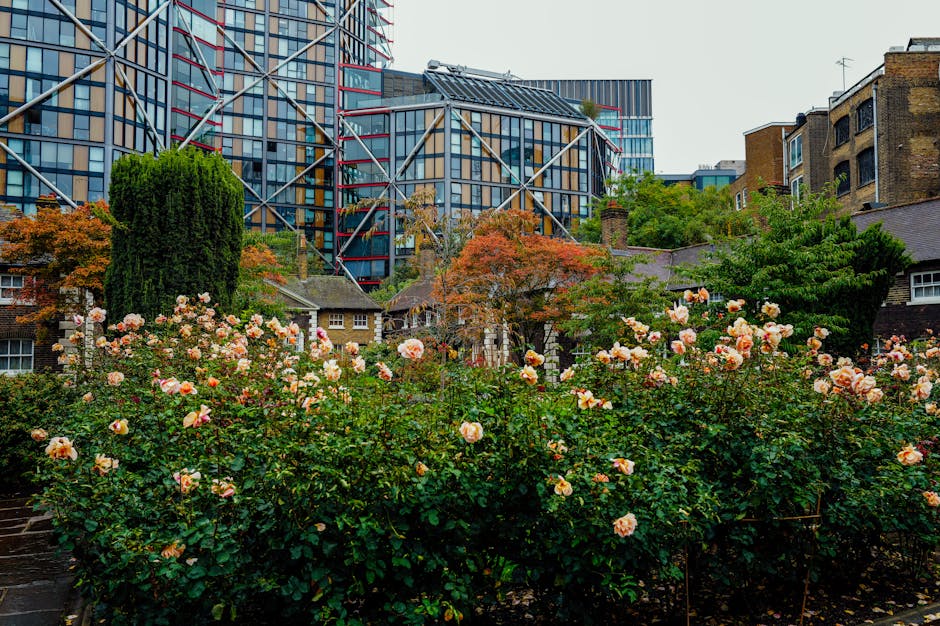
If you manage a townhouse, garden square property, or a private courtyard near Grosvenor Square, you already know the challenge: the planting has to look refined, the structure has to feel intentional, and nothing can look overworked. That is exactly where Grosvenor Square gardeners for period garden maintenance come in. The job is not simply to mow, trim, and leave. It is about preserving the character of an established garden while keeping it healthy, tidy, and quietly impressive through every season.
Period gardens ask for a different kind of care. Beds need restraint, hedges need accuracy, lawns need a steady hand, and historic features need respect. Get it right, and the garden feels timeless. Get it wrong, and it can look flat, harsh, or oddly modern in all the wrong ways. This guide explains what period garden maintenance involves, how it works in practice, what to ask from a professional team, and how to avoid the mistakes that tend to creep in. If you are weighing up services, you can also look at the wider garden maintenance services overview and the practical detail on pricing and quotes as you plan next steps.
Why Grosvenor Square gardeners for period garden maintenance Matters
Period gardens in central London are rarely blank slates. They usually come with mature planting, formal lines, shaded corners, clipped hedges, and a visual rhythm that has been built up over years. In Grosvenor Square, where buildings and landscapes often carry a strong sense of heritage, garden care has to balance beauty with discipline. That balance is the whole point.
A standard maintenance approach can be too blunt for these spaces. Heavy pruning in the wrong place, uneven mowing, or overly bright seasonal bedding can clash with the architecture and weaken the garden's character. Skilled gardeners understand that a period setting needs continuity. The aim is not to redesign the space every visit. It is to maintain its shape, health, and dignity.
There is also a practical side. Mature gardens can hide issues that are easy to miss: compacted soil, congested borders, pests, worn turf, or hidden drainage problems after wet weather. A good gardener notices these early. Not dramatically, just quietly and consistently. That matters more than people often realise.
Expert takeaway: period garden maintenance is about preservation first, presentation second, and intervention only where it genuinely improves the garden. That order matters.
How Grosvenor Square gardeners for period garden maintenance Works
In practice, maintenance usually begins with an assessment of the garden's structure and the seasonal tasks it needs. That might include the lawn, hedges, topiary, borders, pots, climbing plants, paths, and any decorative features. The best teams do not treat every garden the same. They read the space first.
A typical approach includes recurring visits, seasonal adjustments, and occasional restorative work. In a well-run programme, the gardener keeps an eye on the "small things" that shape the whole look: edging consistency, blade sharpness on lawn cuttings, deadheading timing, trimming height, and whether a shrub is drifting out of proportion. These things sound small, but they stack up quickly.
For many properties, the service works on a scheduled basis rather than a one-off call-out. That can mean weekly, fortnightly, or seasonal visits depending on the site, access, and plant mix. In our experience, the rhythm matters almost as much as the work itself. A garden that is visited regularly tends to stay calm and balanced. A garden left too long can become slightly chaotic, then everyone is chasing it.
If you are comparing service levels, it helps to read a provider's broader approach to standards and site care. Useful background pages include the company's health and safety policy and insurance and safety information, especially if the property has shared access, residents, or delicate surfaces.
Key Benefits and Practical Advantages
Period garden maintenance is not only about appearances, although let's face it, appearance is a big part of the story in this part of London. It also protects the long-term value and usability of the garden.
- Preserves design integrity: Formal lines, symmetry, and planting balance stay intact instead of slowly drifting.
- Supports plant health: Correct pruning, feeding, and deadheading keep shrubs and perennials performing better.
- Improves first impressions: Visitors notice neat edges, clean paths, and well-kept borders immediately.
- Reduces costly recovery work: Regular attention often prevents bigger remedial jobs later.
- Handles seasonal pressure better: Spring growth, summer watering, autumn leaf fall, and winter structure all need different handling.
- Protects sensitive features: Old stone, edging, ironwork, and decorative details are less likely to be damaged by rough treatment.
A more subtle benefit is consistency. A period garden should feel settled, not restless. The right maintenance rhythm stops the space from swinging between overgrown and over-clipped. That calm, steady look is harder to achieve than it sounds.
Who This Is For and When It Makes Sense
This service is a good fit for owners, residents, and managing agents responsible for gardens where presentation and heritage character matter. That includes townhouse gardens, private communal squares, embassy-adjacent properties, and mature residential plots where the planting has been chosen to suit the architecture.
It also makes sense if you recognise one of these situations:
- Your garden looks good in spring but becomes messy or uneven by midsummer.
- The lawn is maintained, but the borders never quite feel under control.
- You need a gardener who understands formal spaces rather than general domestic tidy-ups.
- There are access considerations, residents, or neighbours to work around.
- The garden includes older planting, topiary, or features that need a lighter touch.
If your property is used for hospitality, offices, or private entertaining, the stakes are even higher. Guests will read the garden instantly. A clipped hedge that leans a little, or a border that has gone sparse, can change the mood of the whole place. It sounds dramatic, but it is true.
For readers who are still comparing service types, the services overview is a sensible place to understand what can be included and how a maintenance programme is usually structured.
Step-by-Step Guidance
If you are hiring gardeners for a period setting, a structured approach keeps expectations realistic and results strong. Here is the practical version, without fluff.
- Assess the garden's style and condition. Identify what must be preserved, what needs correction, and what should simply be maintained.
- Define the maintenance rhythm. Decide how often the garden needs attention based on growth rate, use, and season.
- Prioritise the structural elements. Hedges, lawns, paths, and focal planting usually form the backbone of the garden's look.
- Set boundaries on intervention. Agree what can be cut back, what should be left alone, and what needs approval first.
- Work seasonally. Spring, summer, autumn, and winter each demand a different maintenance focus.
- Record recurring issues. If a border dries out, a hedge thins, or a drain blocks repeatedly, it should be tracked rather than ignored.
- Review the results regularly. A short check-in each month often prevents drift and helps the service stay aligned with the property's needs.
A simple example: a formal front garden may need sharp edge definition and repeated light maintenance, while a sheltered rear garden with mature shrubs might need less frequent cutting but more selective pruning and soil care. Same property, different rhythms. That is where experience earns its keep.
Expert Tips for Better Results
The best period gardens are not always the most heavily worked. Sometimes, actually, they are the ones that have been handled with restraint. Here are a few practical habits that make a noticeable difference.
1. Keep the shape before you chase perfection
A garden can tolerate a few imperfect stems. It cannot tolerate a lost sense of structure. Focus first on the big lines: hedge height, lawn edges, path clarity, and the relationship between planting and architecture.
2. Prune with the garden's age in mind
Older shrubs often need selective pruning rather than hard cutting. If a plant has been in place for decades, an aggressive approach can leave it weak, bare, or oddly exposed. To be fair, this is where many generic gardeners overdo it.
3. Match lawn care to the setting
In a formal garden, mowing height, striping, and edging all affect the final look. Even the sound of the cut grass underfoot in the early morning can tell you whether the work has been done neatly. The result should feel crisp, not shaved.
4. Plan for the "messy" seasons
Autumn leaf fall, storm debris, and the first surge of spring growth all need advance planning. A good gardener does not wait until the whole garden looks tired. They stay slightly ahead of it.
5. Be careful with replacements
If planting needs renewal, replacements should fit the original mood of the garden. This is not the place for random colour bursts unless the scheme already welcomes them. Harmony beats novelty.
For sustainability-minded maintenance, it can also be useful to review the provider's recycling and sustainability approach. That matters more than many people think, especially where green waste and material disposal are involved.
Common Mistakes to Avoid
Even beautiful gardens can go off-track through a few avoidable errors. These are the ones that crop up most often.
- Using a general garden service for a specialist period setting: tidy is not the same as appropriate.
- Cutting too hard, too often: this can strip character from shrubs and hedge forms.
- Ignoring seasonal timing: pruning at the wrong moment can reduce flowering or leave plants exposed.
- Letting access issues become last-minute problems: in central London, delivery windows, neighbour coordination, and bin access all matter.
- Chasing short-term neatness only: a quick cosmetic fix may hide a deeper health issue.
- Failing to agree boundaries: if the garden includes heritage or semi-formal features, assume nothing. Ask first.
A small but common one: assuming all hedges should be cut to the same visual line. Not always. Some period gardens rely on subtle height changes to guide the eye and soften the architecture. Flattening everything can make the space feel oddly severe.
Tools, Resources and Recommendations
Specialist gardeners working in period settings usually rely on well-maintained, precise tools rather than brute force. Clean cuts, accurate edging, and careful pruning are the aim. Nothing glamorous, just dependable kit and good judgement.
| Tool or resource | Why it matters | Typical use in period maintenance |
|---|---|---|
| Hand secateurs | Allow selective, tidy cuts | Deadheading, light pruning, shaping shrubs |
| Hedge trimmer | Creates clean lines efficiently | Formal hedges, screening, edge refinement |
| Border fork and hand tools | Useful for close-up work around mature planting | Weeding, soil aeration, small adjustments |
| Lawn mower and edging tools | Maintain the refined finish expected in formal gardens | Lawns, edges, paths, and borders |
| Seasonal maintenance plan | Keeps work aligned with growth patterns | Scheduling, pruning windows, replanting decisions |
Good tools matter, but they are not the whole story. The real difference is how they are used. A careful pair of hands will usually do more for a mature garden than an expensive machine used without restraint. Truth be told, that is one of the easier things to spot once you have seen a few gardens.
If you are checking practical service details, the company's payment and security information can also be helpful when arranging ongoing work or invoices for managed properties.
Law, Compliance, Standards, and Best Practice
For gardens in Grosvenor Square and surrounding central London areas, compliance is usually less about dramatic legal complexity and more about behaving responsibly, safely, and professionally. That still matters. A lot.
Good practice typically includes:
- Safe working methods: using equipment properly, protecting staff, residents, and visitors, and keeping access points clear.
- Insurance awareness: confirming that the contractor carries suitable cover for the type of site and work involved.
- Respect for shared spaces: managing noise, debris, and timing around neighbours, residents, or business occupants.
- Waste handling: removing or recycling green waste in a responsible way where possible.
- Fair employment expectations: working with businesses that take labour standards seriously.
For trust and transparency, it can be reassuring to review pages such as the modern slavery statement and the recycling and sustainability page. These are not decorative extras; they show how a business thinks about people and resources.
If accessibility matters for your property or users, the accessibility statement is also worth a look. It is a small sign that the company cares about the full experience, not just the visible finish.
And if something does go wrong, a clear complaints procedure is a practical trust signal. Nobody enjoys needing it, obviously, but it is better to know it exists.
Options, Methods, or Comparison Table
Not every property needs the same maintenance model. Some gardens need frequent light touch care. Others need less frequent but more skilled intervention. Here is a straightforward comparison.
| Maintenance approach | Best for | Pros | Watch-outs |
|---|---|---|---|
| Weekly maintenance | Highly visible formal gardens, active communal spaces | Always presentable, easier seasonal control | Higher ongoing commitment |
| Fortnightly maintenance | Most private period gardens with moderate growth | Balanced cost and presentation | May need occasional extra visits in peak growth periods |
| Seasonal visits | Lower-use gardens or support between in-house care | Useful for pruning, resets, and larger interventions | Can allow details to drift between visits |
| Restorative maintenance | Overgrown or neglected period gardens | Brings structure back into view | May require more time, planning, and follow-up |
The right option often changes by season. A garden that only needs moderate attention in winter may need tighter control in late spring. That is normal. Nothing wrong with adjusting the schedule as the garden wakes up.
Case Study or Real-World Example
Consider a typical private courtyard near Grosvenor Square with a clipped hedge perimeter, shaded planting beds, and a small central lawn. On paper, it looks simple. In reality, it can be finicky. The hedge grows unevenly where one side gets more light. The lawn holds moisture after rain. The border plants look tired if deadheading is delayed even slightly.
A period-focused maintenance plan might start with restoring line and balance rather than changing the planting. The hedge is lightly reduced to clean the profile, the lawn edges are sharpened, the border is tidied without stripping back all character, and the soil around the plants is improved to support stronger growth next season. Then the gardener returns regularly to keep the look calm and consistent.
The key lesson? The most effective work often looks modest. A passer-by may not notice every individual task, but they will feel the result immediately. The garden reads as cared for. That is the real win.
In a city setting, especially where there are neighbours looking over railings or across shared boundaries, that sense of quiet order matters quite a bit.
Practical Checklist
Use this checklist before appointing or reviewing a maintenance service for a period garden.
- Have you confirmed the garden's style, age, and any sensitive features?
- Do you know how often the site needs attention through the year?
- Has the gardener explained how they handle hedges, borders, lawns, and seasonal change?
- Are access arrangements, timing, and neighbour considerations clear?
- Have safety, insurance, and site conduct been reviewed?
- Is there a process for quotes, payment, and service updates?
- Do you understand what is routine maintenance and what counts as extra work?
- Have waste disposal and sustainability expectations been discussed?
- Is there a complaints or escalation route if something is not right?
- Does the proposed service feel respectful of the property's period character?
Quick note: if you hesitate on the last point, trust that instinct. Period gardens should feel handled, not just worked on.
Conclusion
Grosvenor Square gardeners for period garden maintenance bring a very particular kind of value: they protect heritage character while keeping the garden usable, elegant, and quietly alive. That means precise routines, seasonal awareness, respectful pruning, and a steady eye for the details that make a formal garden feel complete.
If you are responsible for a period property, the best outcome is usually not dramatic. It is consistent. Healthy planting. Clean lines. No surprises. A garden that belongs to the architecture rather than fighting it. And honestly, that calm feeling when you step outside on a damp London morning and everything just looks right? Hard to beat.
If you are comparing options, reviewing service scope, or simply trying to decide what your garden needs next, start with the essentials: expertise, safety, communication, and a maintenance plan that respects the space. The right team will make that easy.
Get a free quote today and see how much you can save.
Frequently Asked Questions
What makes period garden maintenance different from regular garden maintenance?
Period garden maintenance focuses on preserving the original character, proportions, and planting style of a historic or traditionally designed space. Regular maintenance can be more general. In a period setting, restraint and accuracy matter much more.
How often should a garden near Grosvenor Square be maintained?
It depends on the size of the property, the planting, and the season. Many formal or visible gardens benefit from weekly or fortnightly attention, while some lower-use spaces may only need seasonal visits plus occasional extra work.
Can gardeners help restore an overgrown period garden?
Yes. A good team can usually create a phased plan to restore structure without overcutting everything at once. That is often the smarter route, especially with mature shrubs or historic planting.
What should I ask before hiring gardeners for a period property?
Ask about their experience with formal or heritage-style gardens, how they approach pruning, what maintenance schedule they recommend, and how they handle safety, waste, and access. A clear quote helps too.
Do period gardens need different pruning methods?
Often they do. Many older shrubs and established plants benefit from selective, careful pruning rather than harsh reduction. The aim is to keep the plant healthy while preserving the garden's structure.
Is lawn care especially important in period gardens?
Yes, because the lawn often acts as a visual frame for the whole space. Clean edges, consistent mowing height, and healthy turf can change the feel of the garden very quickly.
How do I know if a gardener understands heritage-style planting?
Look for signs that they understand restraint, seasonal timing, and the relationship between planting and architecture. If they only talk about "tidying everything up," that may be too broad for a refined period setting.
What happens if the garden has shared access or neighbours nearby?
A professional team should plan work to reduce disruption, manage noise sensibly, and keep paths and entrances clear. In central London, that practical courtesy matters almost as much as the gardening itself.
Are sustainability and recycling important in garden maintenance?
They can be, especially where green waste, materials, and repeat maintenance visits are involved. A responsible approach to waste and resource use is a good sign that the contractor takes the job seriously.
How do I compare quotes for this type of service?
Compare more than price. Look at service scope, visit frequency, site knowledge, insurance, responsiveness, and whether the work is suited to a period garden. A cheaper quote is not always the better value.
What if I need to raise a concern about the work?
Choose a provider with a clear complaints process. It is reassuring to know there is a proper route if something needs correcting, especially for managed properties or ongoing contracts.
Can I mix in modern planting with a period garden?
Sometimes, yes, but it needs a careful hand. The best results usually come when any new planting respects the original style instead of overpowering it. Subtlety tends to win here.