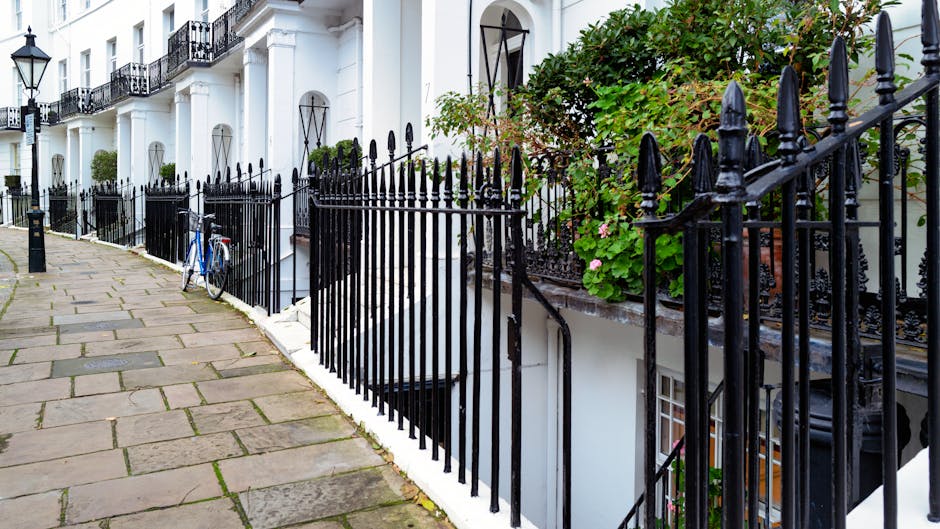
What to know about access problems for Mayfair gardeners
If you've ever tried to get garden work done in a tight London street, you already know the issue: the garden may be beautiful, but getting to it can be the hard part. What to know about access problems for Mayfair gardeners is mostly about planning well around narrow entrances, shared walkways, limited parking, lift access, and the simple reality that some properties were never designed for modern equipment. In Mayfair, that can affect everything from lawn mowing to hedge cutting and full garden clearance.
The good news? Most access challenges are manageable with the right preparation. A careful site visit, a realistic scope of work, and clear communication usually solve far more than people expect. This guide breaks down the practical side of access, the risks to watch for, and the steps that make jobs smoother, safer, and less stressful for everyone involved.
At the end of the day, access is not just a logistics issue. It affects time, cost, safety, neighbour relations, and the quality of the finished result. A garden can look simple from the outside and still be a bit of a puzzle once tools, waste bags, wheelbarrows, and people need to move through the property. Sounds familiar? You're not alone.
Table of Contents
- Why access problems matter in Mayfair
- How access issues affect garden work
- Benefits of planning access properly
- Who this is for
- Step-by-step guidance
- Expert tips for better results
- Common mistakes to avoid
- Tools, resources and recommendations
- Law, compliance and best practice
- Options and comparison table
- Case study or real-world example
- Practical checklist
- Conclusion
- Frequently asked questions
Why access problems matter in Mayfair
Access problems matter because they shape almost every part of a gardening job. If a gardener cannot get equipment into the garden easily, the work takes longer. If waste cannot be removed safely, clearance becomes slower and more expensive. If noise, shared entrances, or parking restrictions are not thought through, the job can create friction with neighbours or building managers. Nobody wants that, especially in a district where presentation and discretion count.
In Mayfair, properties often sit behind gated entrances, in mews-style streets, or within shared residential buildings where access is controlled. Some gardens are tucked away behind the house with only a narrow side passage. Others sit above basement levels or within courtyards where the route in is more awkward than the garden itself. That matters for simple services too. Even a regular lawn mowing service may need a careful approach if the mower has to be carried through a narrow hall or across a delicate surface.
There's also the question of time. In a busy part of London, a job that would normally take an hour can take longer just because tools and waste need to be moved in stages. That doesn't mean the job is difficult in a dramatic sense. It just means the access needs to be planned like part of the service, not an afterthought.
Practical truth: poor access is rarely a deal-breaker, but it often changes the method, the timing, and the price. The earlier it is discussed, the smoother everything becomes.
How access issues affect garden work
Access issues affect gardening work in three main ways: movement, safety, and efficiency. Movement is the obvious one. If a gardener has to bring tools, bags, trimmers, blowers, or waste through a cramped entrance, they may need smaller equipment or a different work sequence. Safety comes next. Tight routes increase the chance of scuffed walls, damaged paving, trips, awkward lifting, or accidental contact with delicate planting. Efficiency follows naturally, because every extra step adds time.
Here's what that can look like in practice:
- Narrow side access: hedge trimmers, wheelbarrows, or bags may need to be carried by hand rather than wheeled through.
- Shared hallways or lobbies: floors, carpets, and walls may need protection before equipment is moved.
- No parking nearby: loading and unloading can take longer, especially if waste is being removed.
- Restricted entry times: some blocks or estates only allow access during set hours, which affects scheduling.
- Height or width limits: larger tools, ladders, or tree-cutting gear may not fit through the route at all.
For jobs that involve bulk waste, access becomes even more important. A garden clearance can be straightforward in an open rear garden and much more involved in a property where waste must be carried piece by piece through a building. If the area is overgrown or has a lot of debris, garden clearance support may need to be organised with extra time, extra labour, or a smaller, staged approach.
Truth be told, this is where good communication pays off. A quick description on the phone is useful, but photos are often better. A short video walkthrough can save a lot of guesswork too. You don't need a production crew. Just enough detail to show the route in, the size of gates, any steps, and where waste can be stored before removal.
Key benefits and practical advantages
Planning access properly sounds basic, but the benefits are real. It helps the work run more smoothly, reduces avoidable damage, and makes the visit feel more professional from the start. In a high-value area like Mayfair, those details matter more than people sometimes think.
- Less disruption: neighbours, concierge teams, and residents are less likely to be disturbed.
- Better time control: the team can arrive with the right equipment and enough labour.
- Reduced risk of damage: floors, doors, gates, and planted areas are less likely to be marked or broken.
- More accurate pricing: once access is clear, the quote is usually more realistic.
- Cleaner outcomes: the job can be completed properly rather than rushed around an unexpected obstacle.
There is also a subtle quality benefit. When access is planned well, the gardener can focus on the actual garden work rather than constantly adjusting for logistics. That might mean neater edging, safer pruning, or a more complete finish on a bigger maintenance visit. It sounds small. It isn't.
If the access route includes narrow stairs or shared internal spaces, it may be worth looking at broader maintenance needs as well. For example, a recurring garden maintenance arrangement can be planned around the same route each time, which makes the process much easier after the first visit.
Who this is for and when it makes sense
This topic matters for anyone responsible for a Mayfair property with an outdoor space, especially if the garden is not directly accessible from the street. That includes homeowners, landlords, managing agents, concierge teams, tenants, and contractors arranging work on behalf of a client. If you've ever thought, "It's only a small garden, how hard can it be?" then, well, access may be the thing that answers that question.
It makes sense to think about access before booking work if any of the following apply:
- The garden is behind a building or reached through a narrow corridor.
- There are shared entrances, communal halls, or concierge rules.
- Parking is limited or loading is awkward.
- The job involves heavy waste, soil, timber, or large cuttings.
- Ladders, long tools, or tree work may be required.
- You need the work done at a specific time because of residents, guests, or business operations.
Access planning is especially important for jobs that involve taller growth or awkward edges. For instance, hedge work can look simple from the street but become fiddly once a ladder, cuttings, and disposal routes are involved. That is why services such as hedge trimming benefit from a clear description of the route, the gate width, and whether waste can be taken out in bags or must be handled differently.
It also matters for properties with mature trees or overhanging branches. In those cases, access may determine whether a task is practical at all without special equipment. If the job is more involved, tree lopping and removal will usually require an even closer look at the route in, the drop zone, and the space needed to work safely.
Step-by-step guidance
Below is a straightforward way to handle access issues without overcomplicating things. This is the part that saves the most headaches, honestly.
- Describe the access clearly. Start with the basics: front entry, rear entry, side passage, lift access, parking, and any security steps.
- Share photos or a short video. A few images of gates, paths, stairs, and the garden entrance are often more useful than a long description.
- Flag restrictions early. Mention time limits, noise-sensitive neighbours, concierge rules, loading bays, or permit needs before the visit is booked.
- Confirm what needs to come in and out. Tools, waste bags, ladders, protective boards, and heavy materials may all affect the plan.
- Agree the method. The gardener may bring smaller equipment, schedule extra labour, split the job into stages, or adjust the disposal method.
- Protect the route. If work passes through floors or hallways, agree on floor protection, dust control, and how the team will move materials.
- Review on arrival. A quick check at the start of the job often catches minor issues before they become messy ones.
One very useful habit is to treat access like part of the brief, not just part of the address. That sounds obvious, but lots of awkward jobs start because the garden description is detailed while the route in is barely mentioned.
For more complex layouts, it can help to discuss the wider outdoor project as a whole. If the garden is being reshaped, resurfaced, or rebuilt in stages, then a full landscaping plan may be more sensible than trying to squeeze separate tasks into one difficult visit.
Expert tips for better results
The best access solutions are usually boring in the best possible way. They are simple, clear, and agreed in advance. Here are the things that make a real difference.
- Measure the narrowest point. Gate widths and corridor pinch points matter more than the wide-open parts of the route.
- Think about waste first. A garden is one thing; taking the waste out is often the awkward bit.
- Keep a clean path. Moving plant pots, bikes, bins, or stored furniture out of the route can save time and reduce risk.
- Use the right size of equipment. Sometimes a smaller mower or hand tools are simply the smarter option.
- Tell neighbours early if needed. A quick heads-up can avoid complaints about noise, dust, or access through shared areas.
- Allow a bit of slack in timing. London access can be slower than expected, especially on busy days. That is just reality.
A small human note here: if a job sounds straightforward but the access route feels like a game of Tetris, the first assumption should not be panic. It should be planning. Most problems shrink when somebody takes ten minutes to look properly.
If the garden sits above decking, or if waste must be moved across timber surfaces, it may help to combine the visit with a review of surfaces and finishes. Services like decking services can be relevant where access and surface protection go hand in hand.
Common mistakes to avoid
Access mistakes tend to be practical rather than dramatic, which is why they're easy to overlook. But they can still cause real delay.
- Leaving access details until the day of the job. That is probably the most common one.
- Assuming standard equipment will fit. A mower, ladder, or waste trolley may be too wide for the route.
- Forgetting internal protection. Shared entrances and polished floors can be damaged surprisingly easily.
- Not mentioning parking restrictions. A team may arrive ready to work and still lose time finding a legal loading spot.
- Underestimating waste volume. Cuttings and clearance material take up space fast.
- Booking the wrong type of service. A quick tidy is not the same as a full clearance, and access issues often expose that difference.
Another mistake is focusing only on the front door. Many Mayfair properties have access routes that matter more at the back, via a mews, lane, service entrance, or communal area. If a garden job is tied to larger site tidying, it can be worth considering whether the scope should include garden clearance rather than a lighter maintenance visit.
And yes, sometimes people forget the obvious: where will the waste actually go while the work is happening? Not glamorous, but very real.
Tools, resources and recommendations
You do not need specialist software or a complicated system to manage access well. A few practical tools and habits go a long way.
- Phone photos and video: ideal for showing gates, stairs, restricted corners, and loading points.
- Simple written notes: keep a list of entry codes, porter instructions, and preferred contact times.
- Measuring tape: useful for checking gate widths and path clearances before work is booked.
- Protective coverings: floor runners, dust sheets, and corner protection can help in shared or indoor access routes.
- Waste bags or bins agreed in advance: helps avoid leaving cuttings where they become a nuisance.
For people comparing providers, it is sensible to look at how they handle planning, safety, and pricing, not just the headline service. A transparent pricing and quotes page is often a good sign that access is being considered honestly rather than guessed.
It can also be useful to review a company's policies if access involves shared spaces, delicate surfaces, or sensitive buildings. In particular, a clear health and safety policy and an understandable insurance and safety page suggest the team is used to working carefully around real-world constraints.
Law, compliance and best practice
For most garden jobs, access is not mainly about one single law. It is about sensible practice, duty of care, and respecting the building rules that apply to the property. In a place like Mayfair, that often means following estate requirements, keeping communal areas tidy, avoiding obstruction, and working in a way that does not create avoidable risk for residents or passers-by.
Where shared spaces are involved, the best approach is to assume that floors, walls, handrails, lifts, and door furniture need protection unless told otherwise. That is not overcautious. It is just good practice. If a job involves ladders, cutting tools, or heavy waste, the standard of planning should rise accordingly.
It is also sensible to check whether the access route affects the method of work. For example, some tasks may need to be done in smaller stages, or with more manual handling, because the site simply does not support bigger machinery. That is not a failure; it is normal adaptation.
If you want a clearer sense of how a company handles responsibility and customer expectations, pages such as about us and terms and conditions can be useful for understanding how the service is set up. For operational transparency, many readers also find an accessibility statement helpful because it signals that physical access and user needs are taken seriously.
For disposal and tidy-up standards, it is worth favouring companies that think responsibly about waste handling. A clear recycling and sustainability approach can be reassuring, especially on larger jobs where there is a lot of green waste.
Options and comparison table
When access is awkward, the work usually falls into one of a few practical approaches. The best option depends on how tight the route is, how much waste there is, and how much disruption the property can tolerate.
| Approach | Best for | Pros | Trade-offs |
|---|---|---|---|
| Standard visit | Reasonable access, light to moderate garden work | Fast, simple, cost-effective | May not suit narrow or fragile routes |
| Adjusted equipment | Gardens with tight doors, side passages, or limited carrying space | Reduces risk, still keeps work moving | May take longer than usual |
| Staged work | Large jobs or awkward waste removal | More controlled, less disruption | Can require multiple visits |
| Full clearance approach | Overgrown gardens, heavy cuttings, lots of debris | Most thorough, good reset option | Usually more labour-intensive |
The honest answer is that there is no universally "best" method. There is only the method that fits the property without forcing the work to fit badly. That's the part people sometimes miss.
If the garden has become heavily cluttered or unmanaged, and access is already awkward, a more complete garden maintenance plan after the initial tidy-up may be easier than repeated rescue visits. In some cases, a broader services overview can help you compare what level of support actually makes sense.
Case study or real-world example
Imagine a typical Mayfair basement garden tucked behind a period property. The space itself is not huge. The problem is the route in: a narrow side passage, a couple of steps, a shared threshold, and a rear access gate that opens only part way because of stored items. Nothing impossible. Just awkward.
A homeowner wants the lawn cut, the borders tidied, and some dead growth removed. On paper, it sounds like a quick visit. But once the route is checked, it becomes clear that a full-size mower would be clumsy, and a large removal load would be annoying to move through the house. The sensible answer is to use smaller equipment, remove loose items from the passage, and split the work so waste is bagged gradually instead of piled up at the end.
The result? The garden gets done neatly, the shared areas stay protected, and the job finishes without a drama. Maybe not thrilling, but that is exactly the point. Good access planning is often invisible once the work is finished, and that is a sign it was handled well.
This kind of setup can also appear on properties where a larger project is being considered. If the garden is due for structural changes, new planting, or layout adjustments, it may be worth thinking beyond one-off tidying and toward landscape gardening if the access route will affect how future work is carried out.
Practical checklist
Use this checklist before booking work in a property with access challenges:
- Confirm the exact route in and out of the garden.
- Measure narrow gates, passages, and stair widths if needed.
- Share photos or a short video of the access points.
- Flag parking, loading, and permit restrictions early.
- Explain whether waste can be carried out easily or must be split into stages.
- Tell the gardener about shared spaces, concierge rules, or neighbour sensitivities.
- Ask what equipment will be brought and whether it will fit the route.
- Agree whether floor protection or dust sheets are needed.
- Check the timing window for the visit.
- Confirm how waste will be removed and where it can be temporarily stored.
If you can answer those ten points confidently, you are already ahead of most awkward jobs. Really.
Conclusion
Access problems for Mayfair gardeners are rarely about one huge obstacle. They are usually a cluster of smaller things: tight entrances, shared areas, limited parking, careful timing, and a need to avoid disruption. Once those are identified early, the whole job becomes much easier to manage. That is the real takeaway.
So, what should you know? First, don't wait until the work begins to mention access. Second, give clear details and a few photos if you can. Third, expect the method, timing, and price to reflect the practical realities of the property rather than a generic one-size-fits-all approach. That's fair, and it usually leads to better results anyway.
If you are planning garden work in Mayfair and want it handled with care, the next sensible step is to review the service scope, share the access details early, and get the job set up properly from the start. A little preparation now can save a lot of fuss later. And to be fair, that is usually how the smoothest projects happen.
Get a free quote today and see how much you can save.
Frequently Asked Questions
What counts as an access problem for a garden in Mayfair?
Anything that makes it harder to get people, tools, or waste into and out of the garden can count as an access problem. That might be a narrow side passage, shared hallway, gated entrance, basement steps, or limited parking nearby.
Can gardeners work if there is no direct rear access?
Usually, yes. It depends on the property. Gardeners may use smaller equipment, carry tools manually, or split the work into stages. The key is to explain the route clearly before the visit so the job can be planned properly.
Do access issues make gardening more expensive?
They can, because awkward access often means more time, more labour, or different equipment. Not always, but often enough that it is worth discussing before booking. A clear description helps avoid surprise costs later.
What photos should I send before the job?
Photos of the gate, passage, stairs, shared entrance, and the garden itself are the most useful. If waste removal is likely to be tricky, include a picture of the route out as well. A short video is even better if you have one.
How do I know whether my mower or hedge tools will fit?
Measure the narrowest point of the route and compare it to the size of the equipment. If you are unsure, share the measurements with the gardener. It is better to confirm that beforehand than discover the issue at the door.
What if access goes through a communal hallway?
That is common in London properties. You may need to protect floors, keep noise down, and respect building rules. It is sensible to tell the gardener in advance so they can prepare for shared-space handling.
Is parking important for small garden jobs?
Yes, because even small jobs need loading and unloading time. If there is no nearby parking or loading bay, the visit may take longer than expected. It sounds minor, but it adds up.
Should I book garden clearance or regular maintenance if access is awkward?
If the garden is overgrown or has a lot of waste, clearance may be the better fit. If it just needs ongoing care, maintenance is usually enough. Sometimes the right answer is a clearance first, then maintenance after the space is easier to manage.
What safety issues come up with difficult access?
The main ones are slips, trips, strain from lifting, scuffed surfaces, and accidental damage to walls or fixtures. Good planning, suitable equipment, and protective coverings help reduce those risks.
Can access problems affect the finish of the work?
They can, if they are not planned for. A job rushed through a tight route may leave less time for detail. When access is thought through early, the final result is usually cleaner and more consistent.
Where can I check a company's approach to safety and responsibility?
Look for clear service information, safety guidance, and transparency around pricing and policies. Pages such as health and safety, insurance and safety, and pricing often tell you a lot about how a company operates day to day.
What should I do if the access route changes on the day?
Tell the team immediately and review the revised route together. Small changes can sometimes be handled without trouble. If the new route is much tighter or more exposed, the work may need to be adjusted rather than forced through.